
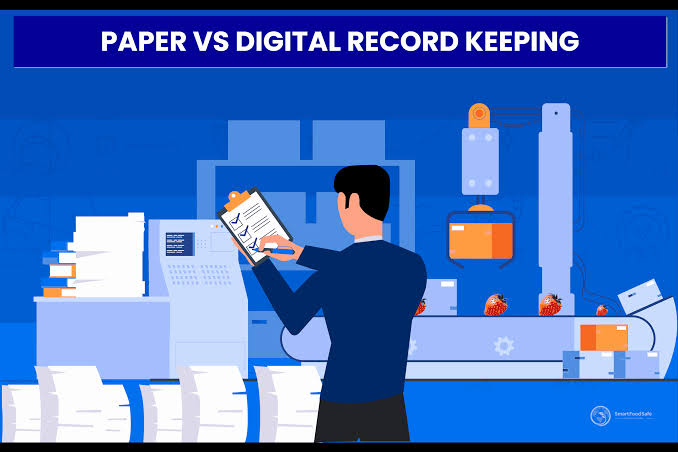
Good financial records are boring until something does not match. Then a date, amount, reference number, screenshot, and visible status can save a great deal of time. Users who reach a platform after searching for pg99.com should consider keeping the same basic records they would keep for any other online payment. This is particularly important with real-money entertainment, where deposits, promotional balances, withdrawals, and ordinary bank transactions can otherwise blur together.
The best way to apply this is to treat good transaction records make disputes, budgeting, and later account checks much easier. The aim is not to make every online action slower. It is to slow down only the moments that deserve attention, then use consistent habits so the rest of the experience becomes simpler.
Understand refund and reversal rules
This detail becomes important the moment something unexpected happens. Different payment systems handle chargebacks, reversals, and failed credits differently. The useful habit is to make this detail visible before taking the next action. Read what the screen or policy actually says, compare it with your situation, and avoid filling missing information with assumptions. A short pause here usually saves more time than correcting a rushed decision later.
Use “Understand refund and reversal rules” as a checkpoint inside a payment decision, not as an isolated tip. If the information is clear, the next step becomes easier to justify. If it is not clear, write down the status before changing anything else. That simple record preserves the sequence and gives you something concrete to compare after the next action. It also makes any later support conversation shorter because the facts are already separated from assumptions.
Use transaction history instead of memory
There is also a record-keeping benefit that is easy to miss. A written record prevents confusion when several similar payments are made over time. What matters is not memorizing a rule but building a repeatable checkpoint. Confirm the relevant detail, keep a record when the action affects access or money, and move forward only when the next step is supported by what you can see rather than by what you hope has happened.
There is a useful test for this point: imagine you had to explain “use transaction history instead of memory” to someone who cannot see your screen. You should be able to state what you expected, what actually happened, and which detail proves the difference. If you cannot do that yet, collect the missing information first. The exercise turns a vague concern into a checkable situation and reduces the temptation to solve uncertainty by clicking faster.
Pause when the destination changes unexpectedly
This sounds simple, but it changes how the whole process feels. A new account number, wallet, or payee should be verified rather than assumed to be a routine update. This is easiest to manage when the user separates observation from action. First identify the current status; then decide whether the safest next step is to continue, wait, test a low-risk change, or ask a focused question. That sequence prevents one uncertain moment from creating several new problems.
The practical benefit shows up under pressure. During a payment decision, users are more likely to repeat an action, overlook a condition, or change several variables at once. Treating “pause when the destination changes unexpectedly” as a fixed part of the process creates a pause at exactly the right moment. Over time that pause becomes automatic, which is more valuable than trying to remember a long list of rules after something has already gone wrong.
Budget for losses, not expected wins
A useful way to think about it is as a friction test. Real-money entertainment involves uncertainty, so any deposited amount should be money the user can afford to lose. In a well-managed account, this becomes a small routine rather than an emergency response. The user checks the detail, understands why it matters, and keeps enough information to explain the decision later. That is especially valuable when verification, security, or real money is involved.
Another reason to focus on “budget for losses, not expected wins” is that it improves the quality of the record left behind. A clear sequence of dates, statuses, settings, or transaction details is easier to verify than memory. That record helps the user make a calmer decision now and gives support something specific to investigate later. Good digital habits are often less about technical skill than about keeping uncertainty from spreading.
A clean payment process leaves an audit trail
Users often notice this only after a mistake, although it is easier to check beforehand. The best transaction is one the user can later explain with a date, amount, method, reference, and visible status. The strongest approach is deliberately uneventful: verify the information, make one decision at a time, and preserve the record. The goal is not to distrust every page. It is to notice the few details that can materially change what happens next and give them the attention they deserve.
This point also fits the wider principle that good transaction records make disputes, budgeting, and later account checks much easier. The connection is practical: each careful check removes one source of ambiguity before the next step. That means fewer duplicate actions, fewer unnecessary resets, and fewer situations where the user has to reconstruct events from memory. The process may add a minute at the beginning, but it usually removes much more friction at the end.
Budget boundaries for real-money entertainment
- never use rent or bill money
- decide the maximum before opening the payment page
- do not increase the limit to chase a loss
- separate promotional value from personal funds
- keep a monthly record
- stop when the planned amount is reached
The Audit Trail That Saves Time Later
Keeping transaction records does not require accounting software. A simple note or folder containing the date, amount, method, reference, and confirmation screenshot is enough. At the end of the month, compare those records with the bank or wallet history and the platform transaction list. Any mismatch can be investigated while the details are still easy to find.
This habit helps with more than disputes. It shows the total amount of discretionary money moved into real-money entertainment and makes fees or currency conversions visible. It also prevents memory from smoothing over repeated small payments. Good records create an honest picture of activity, which is useful for both budgeting and support if a transaction later needs to be traced.
A Better Default for Future Use
Monthly reconciliation is simple but powerful. Compare the platform’s transaction history with the bank or wallet record and note any fees or currency conversion. The purpose is not only financial control; it also creates an audit trail if a deposit, withdrawal, or refund later needs to be traced. Clear records make both budgeting and support easier.
Real-money entertainment involves uncertain outcomes, so no promotion, payment method, or platform feature should be treated as a guarantee of profit. Any amount used should be money that can be lost without affecting essential expenses. In practical terms, good transaction records make disputes, budgeting, and later account checks much easier; the spending boundary should therefore be decided before the offer or payment screen begins influencing the decision.
Finally, a transaction should not be used to chase an earlier loss. A pre-set limit exists precisely because outcomes are uncertain. When that limit is reached, the safest next action is to stop, not to search for a different payment method or a larger promotion.
Conclusion
Good records turn a confusing payment issue into a traceable event. A date, amount, method, reference, and screenshot can be more valuable than a long description written from memory.
Before confirming any real-money transaction, use Nạp tiền pg99 to check the current deposit instructions and keep the payment within a limit decided before the payment page was opened.

