
In today’s borderless digital economy, freelancers have access to clients from all corners of the globe. Yet one of the biggest challenges they face isn’t finding work — it’s getting paid efficiently, securely, and affordably. When it comes to international business payment solutions, three platforms dominate the conversation: PayPal, PingPong, and Stripe. Each offers unique benefits, but freelancers must understand how they differ before choosing the right one.
1. PayPal: The Traditional Powerhouse
PayPal has long been a go-to payment processor for freelancers. Its global reach and easy integration with platforms like Upwork and Fiverr make it a convenient choice.
Pros
- Instant payments between PayPal accounts.
- Recognized and trusted by clients worldwide.
- User-friendly mobile and web experience.
Cons
- High currency conversion fees.
- Transaction fees can eat into freelancer earnings.
- Account freezes and disputes are common concerns.
While PayPal’s reliability is undeniable, freelancers dealing with multiple currencies or cross-border payments often find its fees on the higher side.
2. PingPong: The Modern Solution for Global Freelancers
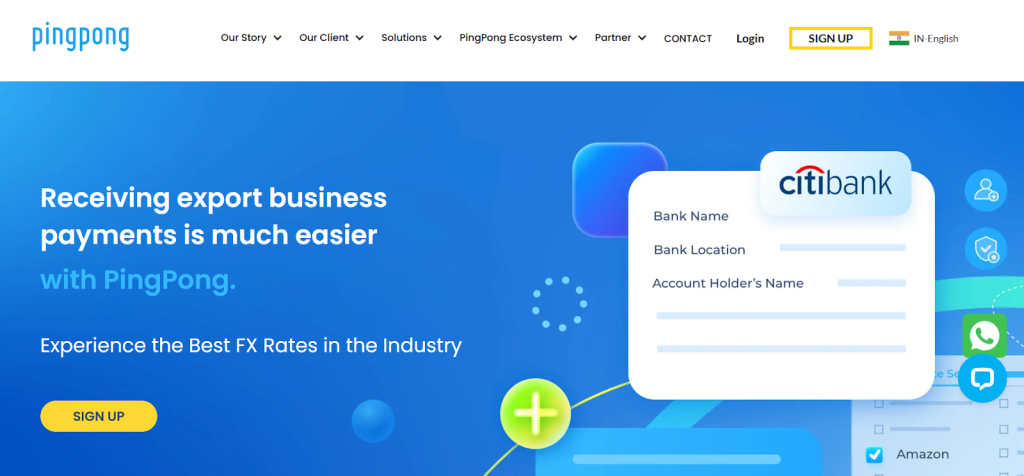
PingPong has emerged as a smart, cost-efficient alternative for freelancers and small businesses handling international business payment transactions. Unlike traditional systems, PingPong focuses on reducing unnecessary fees while ensuring fast, compliant transfers.
Why Freelancers Love PingPong
Lower fees: PingPong offers some of the best exchange rates and minimal transaction costs, meaning you keep more of your hard-earned money.
Multi-currency accounts: Freelancers can receive payments in USD, EUR, GBP, and more — without needing multiple local bank accounts.
Faster settlements: PingPong ensures quick transfers so freelancers aren’t left waiting for funds.
Security and compliance: Licensed in multiple jurisdictions, PingPong prioritizes data protection and regulatory compliance.
For freelancers working with global clients, PingPong simplifies getting paid while maximizing profit — a winning combination in the gig economy.
3. Stripe: The Developer-Friendly Option
Stripe is known for its powerful API integrations and ease of use for online businesses. While it’s primarily designed for e-commerce, many freelancers who manage their own websites or SaaS projects use Stripe to receive payments.
Pros
- Seamless integration with websites and apps.
- Transparent fee structure.
- Support for recurring payments and subscriptions.
Cons
- Requires some technical setup.
- Limited direct client-to-freelancer use cases.
- Settlement times may vary depending on the country and bank.
For tech-savvy freelancers or agencies that operate globally, Stripe can be a flexible choice, though not always the most cost-effective for casual transactions.
Choosing the Right Platform
Ultimately, the best payment platform depends on your freelance setup:
- Use PayPal if your clients already prefer it and you value instant access.
- Choose PingPong if you want a dedicated platform for managing cross-border payments efficiently and affordably.
- Opt for Stripe if your freelance business includes recurring or eCommerce-style payments.
Final Thoughts
Getting paid shouldn’t be the hardest part of freelancing. With options like PingPong, freelancers can receive international business payments quickly, securely, and at lower costs. Whether you’re a designer in India, a writer in Europe, or a developer in the U.S., PingPong empowers you to focus on your craft — not on complicated payment processes.

