
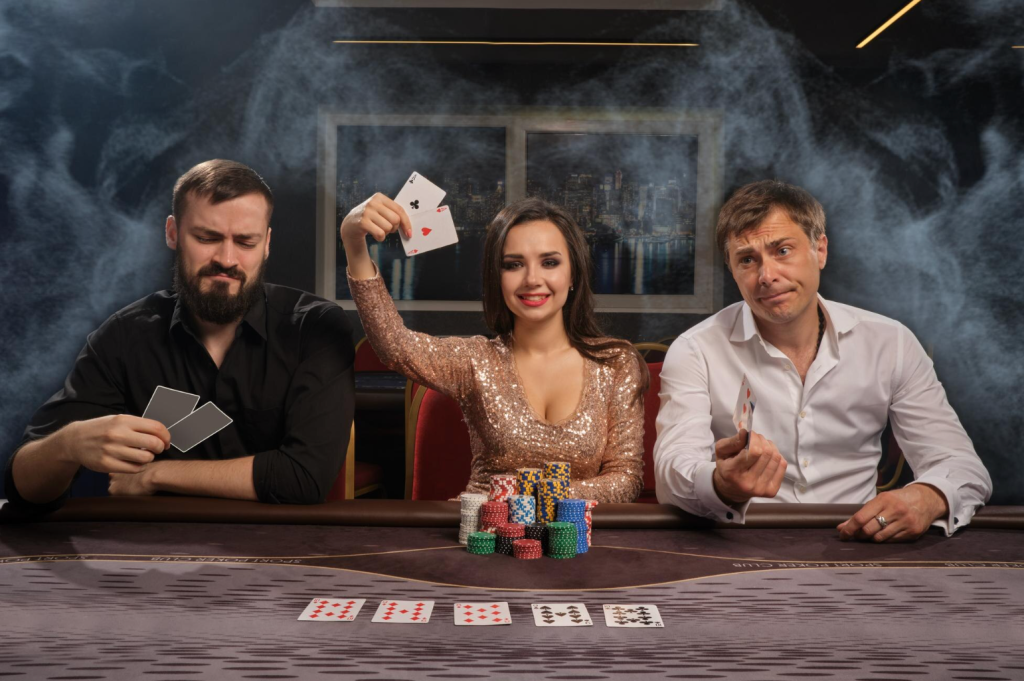
Deception does not define bluffing, but rather using confidence while playing your cards against an opponent’s cards by providing strategic narratives from past performances in both poker and in life in general. Bluffing builds a person’s reputation not just on the poker table, but for success in negotiations, business promotions, and relationships.
The Anatomy of Effective Bluffing
When you learn how to play poker, bluffing seems like pure manipulation. But effective bluffing has nothing to do with drama — it’s crafting a narrative that aligns with the reality of the board. Every successful sham requires three elements:
- Consistent narrative across all actions;
- Appropriate timing that matches the story;
- Commitment that never wavers under pressure.
Professional poker training emphasizes that successful bluffs require precise risk-reward calculations. You don’t bluff because you feel like it. You bluff because the math and situation align correctly.
At the 2022 EPT in Barcelona, Aliaksandr Hirs pulled off a huge triple-barrel bluff that shows this in action. It wasn’t some wild, heroic gamble — he’d worked out that his opponent’s range was weak enough to cave under constant pressure. Street by street, he kept firing, sizing each bet so the story made sense and wringing out as much fold equity as possible.
Reading Your Audience
Bluffing only works when you understand who you’re bluffing against. In online poker at https://pokerplanetsin.com/, you rely entirely on betting patterns and timing to construct opponent profiles. Without physical reads, you learn to read players through their actions.
During the 2021 Poker Masters, Ali Imsirovic demonstrated exceptional bluff selection by identifying which opponents could actually fold strong hands. He didn’t bluff calling stations who’d never fold. He targeted thinking players capable of laying down decent holdings when the narrative made sense. Before attempting any bluff, assess your target:
- Can they actually fold their current position?
- Do they respond to pressure or dig in harder?
- What’s their emotional state right now?
In professional life, this means understanding your audience before projecting confidence. Some bosses respond to bold assertions. Others need data-heavy presentations. Some clients fold to pressure; others call your bluff immediately. Effective bluffing requires audience calibration.
Constructing Believable Narratives
Understanding poker combinations helps you recognize which stories make sense. You can’t represent holdings that contradict your previous actions. Similarly, you can’t bluff credentials or capabilities that obviously conflict with your history.
Sam Grafton pulled off a sick bluff in the 2020 partypoker MILLIONS Online by building a hand story that fit perfectly with how the hand had played out and how the board looked. It worked so well because, from his opponent’s point of view, everything he did added up — his line actually made sense in the context of the table.
The same idea applies when you’re quietly overselling your experience or skills: the story you tell has to match the “board” — the situation, your past, and what people already know about you. Your poker bluff must align with verifiable facts. You emphasize strengths, project confidence in developing areas, and frame gaps as opportunities — but the overall narrative must hold together under scrutiny.
The Courage Factor
Bluffing requires courage to act despite uncertainty. Every significant poker bluff involves risking chips on incomplete information. Every career advancement requires projecting capabilities before you’ve fully developed them.
The difference between successful and failed bluffs isn’t luck — it’s preparation meeting opportunity. You study situations, calculate odds, read opponents, and then execute with commitment when conditions align.
Practical Application
Start small. In low-stakes situations, practice projecting confidence when you’re uncertain. Notice how people respond to conviction versus hesitation. Observe which contexts reward boldness and which punish it. Bluffing is strategic confidence deployment. Master it through deliberate practice, and you’ll find doors opening that seemed permanently closed to those who only act when they’re certain.

